
Types of Roofs: Complete Guide to Residential and Commercial Roofing Systems
A roof is one of the most important parts of any building. It protects your property from weather, improves energy efficiency, and adds to the overall appearance of a home or commercial structure. With so many types of roofs available today, choosing the right option can feel overwhelming.
Whether you are building a new property, replacing an aging roof, or planning a major renovation, understanding the different types of roofs can help you make a smarter investment. Each roofing system comes with unique advantages, maintenance requirements, lifespan expectations, and costs.
In this complete guide, we will explore the most common types of roofing systems used in residential and commercial properties, discuss their benefits, and explain which options may work best for your needs.
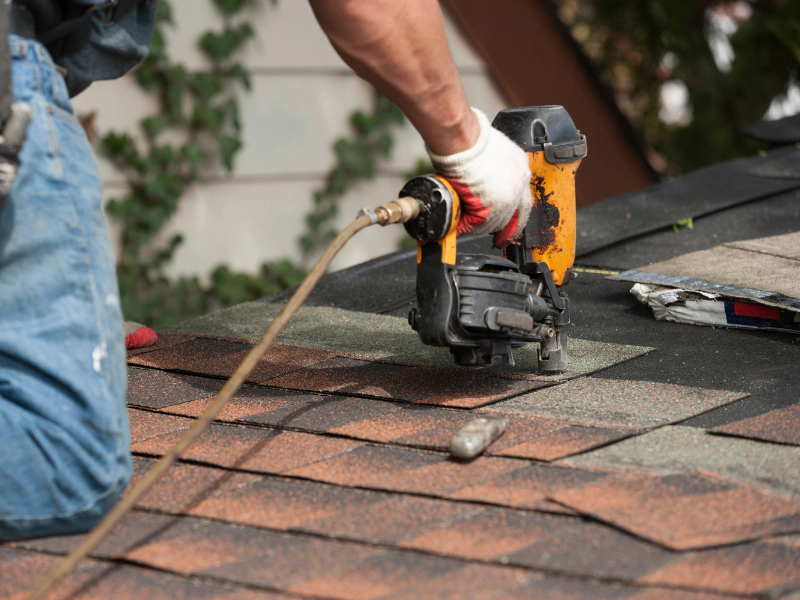
Why Choosing the Right Roof Matters
Your roof does much more than cover your property. The right roofing system can:
- Improve energy efficiency
- Increase property value
- Enhance curb appeal
- Protect against storms and moisture
- Reduce long-term maintenance costs
- Extend the lifespan of the structure
Before selecting a roofing system, property owners should consider:
- Local climate
- Budget
- Building design
- Maintenance expectations
- Desired lifespan
- Energy efficiency goals
Understanding what are the types of roof systems available is the first step toward making the right decision.
Types of Roofs for Houses
Residential properties use many different roof styles and materials. Some are chosen for aesthetics, while others provide superior protection or energy efficiency.
Gable Roof
The gable roof is one of the most popular types of residential roofs in the United States.
This roof features two sloping sides that meet at a central ridge, creating a triangular shape.
Benefits
- Affordable construction
- Excellent water drainage
- Good attic ventilation
- Simple design
Best Applications
- Traditional homes
- Ranch-style homes
- Colonial-style houses
Hip Roof
A hip roof has slopes on all four sides that meet at the top.
This design offers greater stability and wind resistance compared to a gable roof.
Benefits
- Strong performance in high winds
- Better durability
- Attractive appearance
Best Applications
- Homes in storm-prone regions
- Luxury residences
- Large residential properties
Flat Roof
Although technically not completely flat, these roofs have a low slope.
Flat roofs are increasingly common in modern homes.
Benefits
- Modern appearance
- Additional usable space
- Easier maintenance access
- Lower installation costs
Best Applications
- Contemporary homes
- Urban properties
- Homes with rooftop living areas
Mansard Roof
The mansard roof originated in France and features four sides with dual slopes.
The lower slope is steeper than the upper section.
Benefits
- Increased living space
- Elegant appearance
- Easy future expansion
Best Applications
- Historic homes
- Luxury properties
- Custom home designs
Gambrel Roof
Often associated with barns, the gambrel roof has two slopes on each side.
The lower slope is steeper than the upper section.
Benefits
- Maximizes attic space
- Cost-effective design
- Distinctive appearance
Best Applications
- Farmhouses
- Barn conversions
- Traditional homes
Shed Roof
A shed roof consists of a single sloping plane.
This simple design has become popular in modern architecture.
Benefits
- Affordable installation
- Excellent drainage
- Supports solar panels
Best Applications
- Modern homes
- Home additions
- Detached garages
If you are planning a home expansion, a shed roof often works well with projects completed by experienced home addition contractors.
Roofing Materials for Residential Properties
Beyond roof shape, homeowners must also choose roofing materials.
Asphalt Shingles
Asphalt shingles remain the most common residential roofing material.
Benefits
- Affordable
- Easy installation
- Variety of colors
- Reliable performance
Lifespan
Typically 20 to 30 years.
Metal Roofing
Metal roofing continues to gain popularity among homeowners.
Benefits
- Long lifespan
- Fire resistance
- Energy efficiency
- Low maintenance
Lifespan
40 to 70 years or more.
Tile Roofing
Tile roofs are known for beauty and durability.
Benefits
- Exceptional longevity
- Fire resistance
- Excellent insulation
Lifespan
50 to 100 years.
Slate Roofing
Slate is considered one of the most premium roofing materials available.
Benefits
- Natural appearance
- Extreme durability
- Long lifespan
Lifespan
75 to 150 years.
Wood Shakes and Shingles
Wood roofing offers natural charm and traditional appeal.
Benefits
- Attractive appearance
- Natural insulation
- Environmentally friendly options
Lifespan
20 to 40 years with proper maintenance.
Types of Commercial Roofs
Commercial buildings require roofing systems designed to cover larger areas while handling different structural demands.
Understanding the most common types of commercial roofs can help business owners select the right solution.
Built-Up Roofing (BUR)
Built-up roofing consists of multiple layers of roofing materials and asphalt.
Benefits
- Proven reliability
- Excellent waterproofing
- Strong durability
Best Applications
- Office buildings
- Warehouses
- Industrial facilities
Modified Bitumen Roofing
Modified bitumen combines asphalt with reinforcing materials for added flexibility.
Benefits
- Weather resistance
- Easy repairs
- Strong performance
Best Applications
- Commercial facilities
- Retail buildings
- Apartment complexes
TPO Roofing
Thermoplastic Polyolefin (TPO) has become one of the fastest-growing commercial roofing materials.
Benefits
- Energy efficiency
- UV resistance
- Affordable installation
Best Applications
- Shopping centers
- Restaurants
- Office buildings
EPDM Roofing
EPDM is a synthetic rubber roofing membrane.
Benefits
- Cost-effective
- Flexible
- Durable
Best Applications
- Large commercial structures
- Industrial buildings
PVC Roofing
PVC roofing is highly resistant to chemicals, moisture, and fire.
Benefits
- Excellent durability
- Low maintenance
- Energy efficient
Best Applications
- Restaurants
- Manufacturing facilities
- Healthcare buildings
Metal Commercial Roofing
Metal systems are increasingly popular for commercial properties.
Benefits
- Long lifespan
- Sustainability
- Minimal maintenance
Best Applications
- Warehouses
- Industrial facilities
- Agricultural buildings
Industrial Roofing Systems
Industrial properties often have specialized requirements.
Some common types of roofing systems for industrial applications include:
Standing Seam Metal Roofs
These systems feature concealed fasteners and raised seams.
Benefits
- Excellent weather resistance
- Long lifespan
- Low maintenance
Spray Polyurethane Foam (SPF)
SPF roofing creates a seamless protective barrier.
Benefits
- Superior insulation
- Waterproofing
- Energy savings
Green Roofing Systems
Green roofs incorporate vegetation and growing mediums.
Benefits
- Stormwater management
- Improved insulation
- Environmental sustainability
Comparing Different Types of Roofs
When comparing the different types of roofs, property owners should evaluate several factors.
| Roofing Type | Lifespan | Maintenance | Cost |
| Asphalt Shingles | 20-30 Years | Low | Low |
| Metal Roofing | 40-70 Years | Low | Medium |
| Tile Roofing | 50-100 Years | Medium | High |
| Slate Roofing | 75-150 Years | Low | High |
| TPO Roofing | 20-30 Years | Low | Medium |
| EPDM Roofing | 20-35 Years | Low | Medium |
| PVC Roofing | 20-30 Years | Low | Medium-High |
Energy Efficiency Considerations
Energy efficiency has become a major factor when selecting roofing systems.
Energy-efficient roofs can:
- Reduce cooling costs
- Improve indoor comfort
- Lower energy consumption
- Increase property value
Cool Roofing Materials
Cool roofs reflect more sunlight and absorb less heat.
Popular options include:
- White TPO membranes
- Reflective metal roofs
- Special reflective coatings
Insulated Roofing Systems
Many modern roofing systems include enhanced insulation to improve thermal performance.
These solutions are especially beneficial for commercial buildings and full home remodeling projects.
Maintenance Requirements by Roof Type
Every roofing system requires routine maintenance.
Asphalt Shingles
- Annual inspections
- Replace damaged shingles
- Clean gutters regularly
Metal Roofing
- Check fasteners
- Inspect seams
- Remove debris
Flat Commercial Roofs
- Inspect drainage systems
- Check membrane condition
- Address ponding water quickly
Tile and Slate Roofs
- Inspect for cracked tiles
- Check flashing
- Remove moss growth
Proper maintenance helps maximize the lifespan of all types of roofs.
Factors to Consider Before Choosing a Roof
Before selecting a roofing system, ask yourself these questions:
What Is Your Budget?
Some roofing systems cost more upfront but offer longer lifespans and lower maintenance expenses.
How Long Will You Own the Property?
Long-term owners often benefit from premium roofing materials like metal, slate, or tile.
What Is the Local Climate?
Weather conditions significantly impact roofing performance.
For example:
- Metal roofs perform well in severe weather.
- Tile roofs excel in hot climates.
- TPO roofs provide excellent energy efficiency.
What Style Matches the Property?
The roof should complement the overall architectural design.
Are Energy Savings Important?
Energy-efficient systems can lower monthly utility costs.
Roof Replacement vs. Roof Repair
Many property owners wonder whether they should repair or replace their roof.
Repairs may be appropriate when:
- Damage is localized
- The roof is relatively new
- Structural components remain sound
Replacement may be the better option when:
- The roof has reached the end of its lifespan
- Multiple leaks are present
- Structural damage exists
- Energy efficiency is poor
A professional roofing inspection can help determine the best solution.
How Roofing Fits Into Larger Remodeling Projects
Roofing upgrades are often completed alongside larger renovation projects.
For example:
- New windows installed by professional window installers can improve efficiency alongside a new roof.
- Updated painting services can refresh the exterior after roofing work is completed.
- Comprehensive home renovation services often include roofing improvements as part of a complete property transformation.
- Major projects handled by experienced remodeling contractors may combine roofing, flooring, kitchen remodeling, and bathroom remodeling into one cohesive upgrade.
Combining projects can improve efficiency and create a more unified appearance for the property.
Conclusion
Understanding the various types of roofs is essential when planning a new construction project, roof replacement, or property renovation. From traditional gable roofs and durable metal systems to advanced commercial roofing membranes and industrial solutions, there are many options available to suit different budgets, styles, and performance goals. By evaluating factors such as durability, maintenance requirements, energy efficiency, and architectural design, property owners can confidently select the roofing system that provides the best long-term value.
At Texas Remodelers & Builders, Inc., we provide professional roofing services for residential and commercial properties throughout Coppell, TX and surrounding areas. Since 1999, our licensed and insured team has delivered quality workmanship backed by more than 110 years of combined experience. We offer fair pricing, free estimates, and customer-focused service on every project. Whether you need a roof replacement, new roof installation, home renovation, or complete remodeling solution, we have the expertise to help you achieve lasting results. Call (972) 304-1800 today for your Free Estimate.